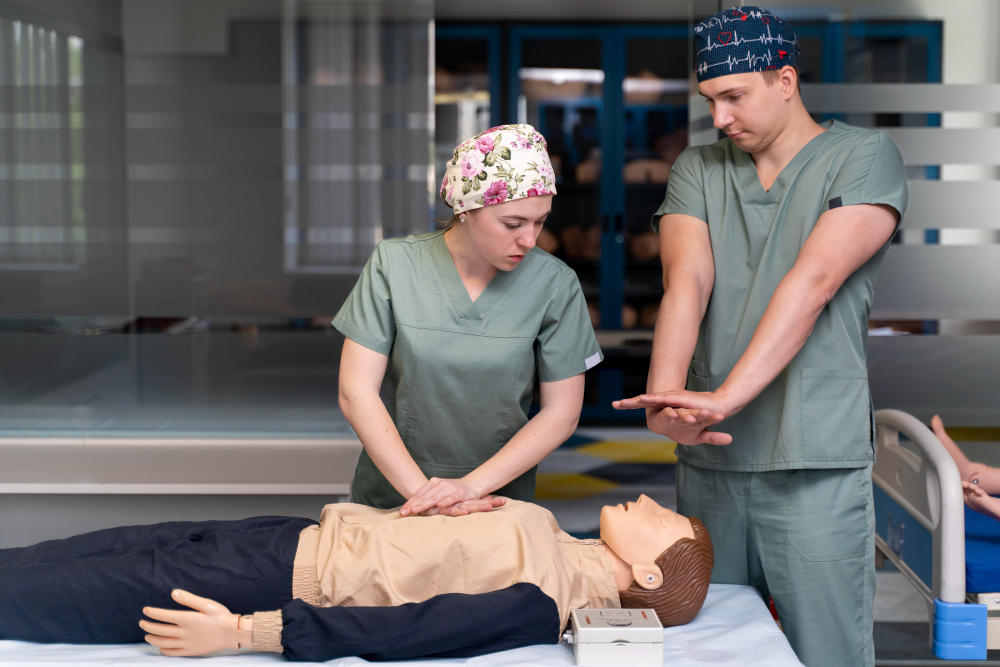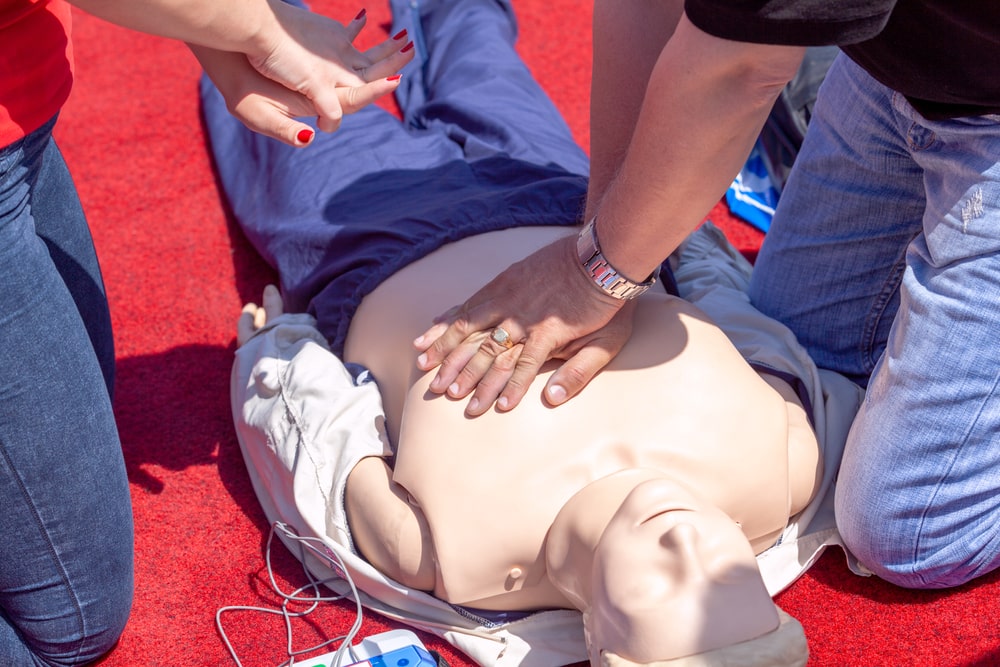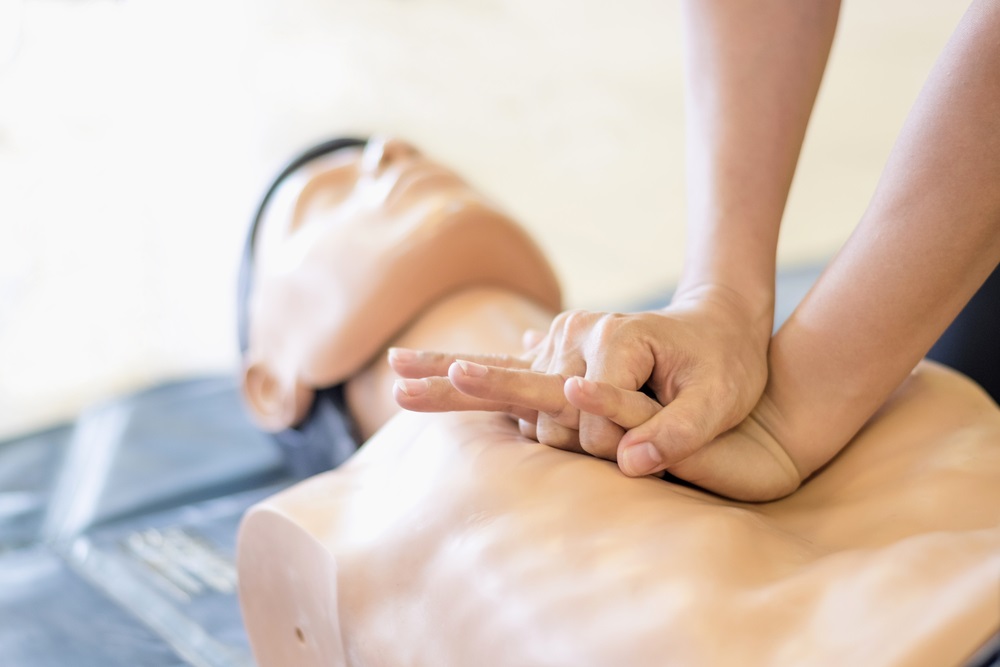
First aid is a person’s help to an injured person before professional medical help arrives. Everyone knows that first aid training courses are as crucial as self-defense training courses, but not everyone is interested.
In many cases, first aid has saved the lives of injured people until the medical team arrived at the scene or the wounded went to the hospital. To put it simply, first aid can save an injured life. If not saved, first aid can prevent the medical condition from worsening. The first aider also helps the medical team by providing all the information about the accident scene and the injury.
Along with the knowledge of first aid tips, you should carry a small pouch or box that contains medical necessities like cotton, anti-bacterial wipes, painkillers, burn gel, soothing creams, antiseptic liquids, bandages, medical soap, and a first-aid instruction manual.
Here are a few first aid tips you should know to help someone:
The three P’s represent the basic goals that a first aider must achieve. They preserve the lives of the injured, prevent further injuries, and promote recovery.
Instead of panicking, a first aider should remain calm and focus on the three P’s to help the injured. A first aid training course teaches first aiders to stay calm even in stressful situations.
Before beginning to treat the injured, a first aider should check whether any factors can harm them. For example, if the wounded person gets burns, the first aider should ensure that the source of the fire has died down to ensure everyone’s safety. Once the first aider ensures everyone’s safety, they should proceed.
Cuts and scrapes are common if you have children in your home. Small cuts are not something to worry about; you can easily treat them by applying gentle pressure on the cut to stop the bleeding, cleaning the wound with an antiseptic, and applying a bandage.
However, if the wound is deeper and requires professional medical attention, you should first apply pressure and cover it with a loose cloth.
A sprain happens when the ligaments unexpectedly stretch more than they can and tear. To numb the pain and reduce the swelling, you can give the injured person some painkillers by applying ice wrapped in a cloth or plastic bag to the sprained area. Then, compress the sprained area with a brace, apply ice again, and repeat this process at regular intervals.
Heat exhaustion often occurs on the roads during the summer season. If someone faints on the road due to heat exhaustion, take them to a shaded or covered area, hydrate them with water, and lower their body temperature by placing a wet cloth on their forehead.
Hypothermia means extremely low body temperature. If you find a patient with slurring speech, shivering, red skin, and unconsciousness, they have hypothermia. Use heat packs and blankets to warm them up and feed them warm liquids to balance the temperature.
Fractures can occur due to road accidents, but someone can also suffer a fracture at home. Avoid straightening the fractured limb as it can damage it further. Stabilize the area with a splint, and apply an ice pack on the limb to numb the pain. You can also give them an anti-inflammatory drug to reduce pain and swelling. However, contact professional medical assistance as soon as possible.
Get the best first aid training courses at West Coast First Aid Training, with training from world-class professionals. Contact us to book your course.