
Cardiac arrest is a sudden and unexpected medical emergency that can strike at any time, without prior signs. One moment, everything feels normal, and the next, someone suddenly collapses. In those critical first minutes, many nearby people freeze, not out of indifference, but because they’re unsure how to respond. Yet the reality is simple: fast, informed action can mean the difference between life and death. Learning these correct steps and reinforcing them through an Advanced First Aid Course in Perth equips you with the confidence and skills needed to act decisively when every second counts.
1. Recognise the Emergency
Someone suddenly collapses in front of you, would you freeze, or know exactly what to do? Knowing how to recognise cardiac arrest right away can make all the difference between life and death. Warning signs may include a sudden collapse, no response when spoken to or gently shaken, and abnormal breathing such as gasping or the complete absence of breaths. In these moments, staying calm is essential. Acting immediately, rather than hesitating, can significantly improve the person’s chances of survival, as every millisecond truly matters.
2. Call for Help
Once cardiac arrest is suspected, call emergency services (000 in Australia) without delay. If others are nearby, delegate the call so you can begin life-saving measures immediately. Providing clear information, location, patient condition, and the number of people involved can help emergency responders act quickly.
3. Start CPR Immediately
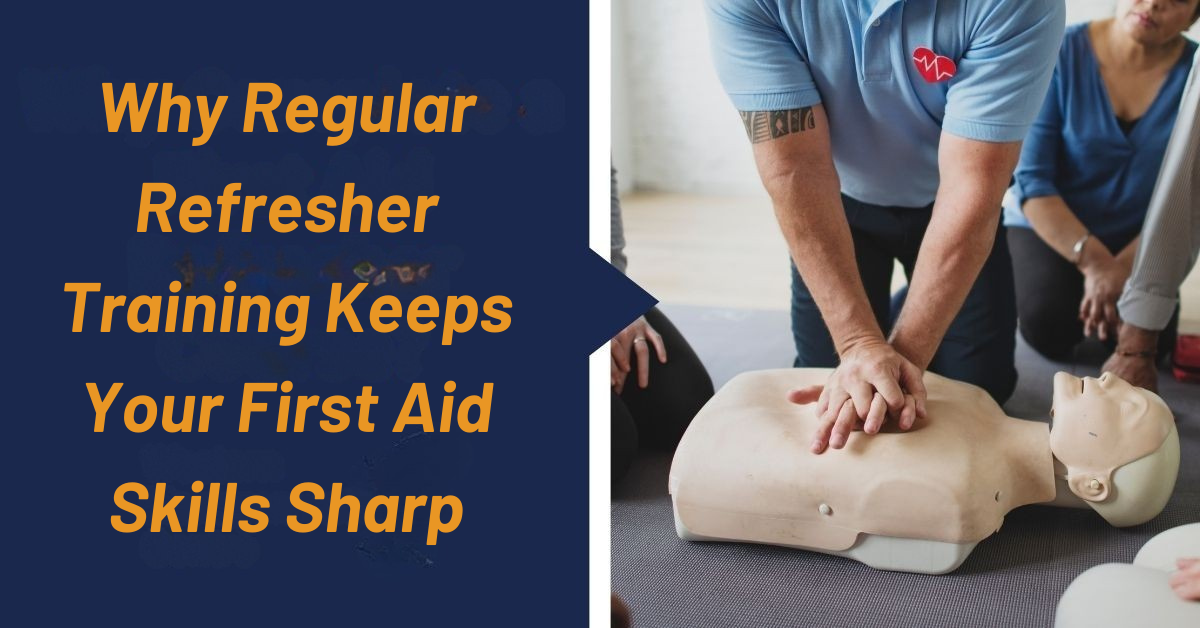
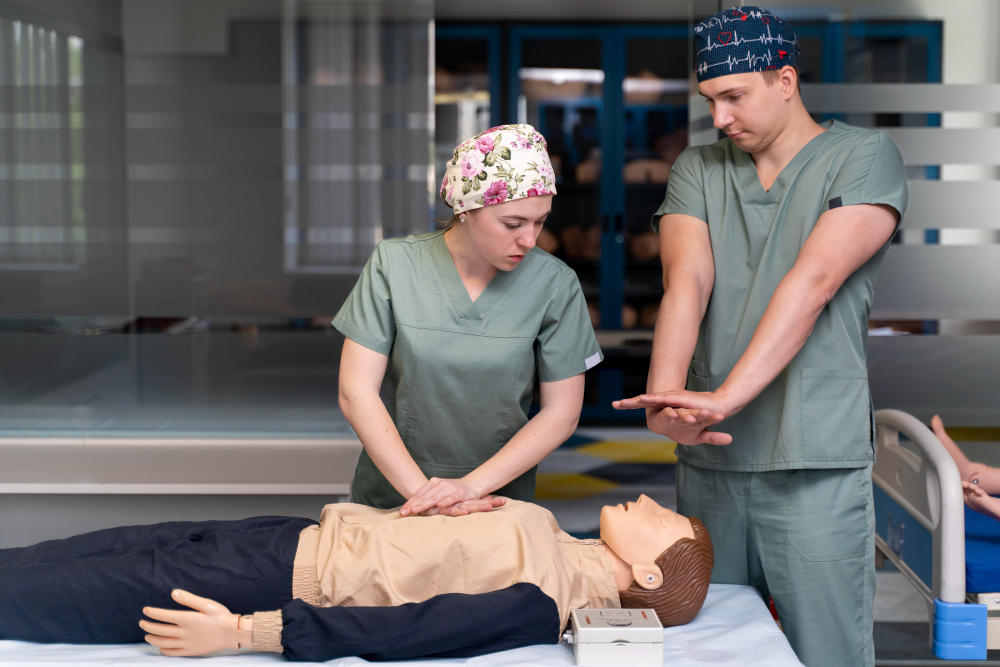
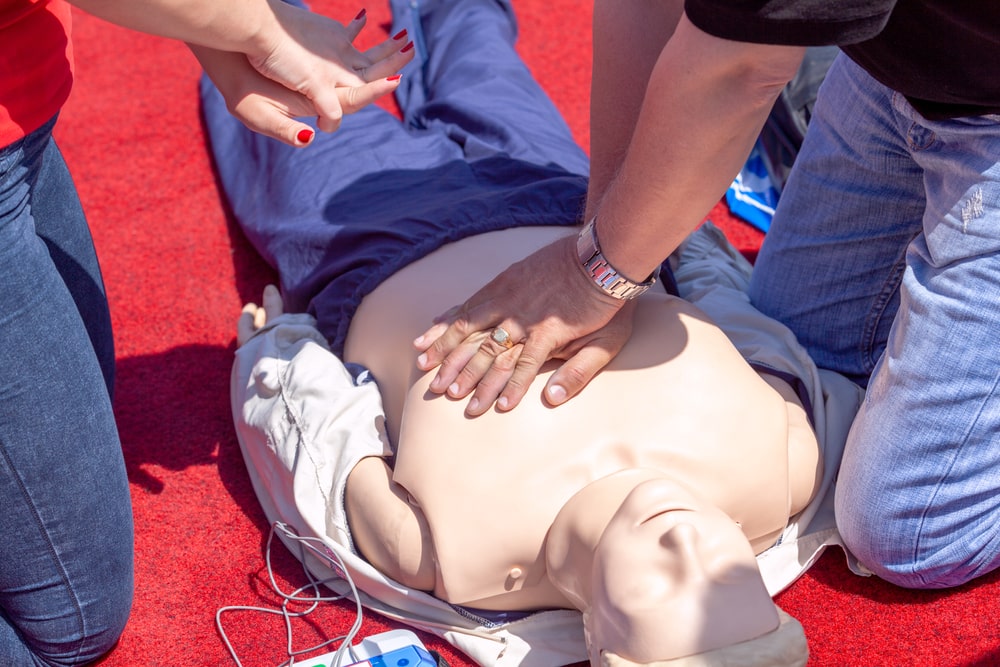
Effective CPR forms the foundation of early cardiac arrest management. Begin chest compressions at a rate of 100–120 per minute, pressing hard and fast in the centre of the chest. If you are trained and confident, combine compressions with rescue breaths using a 30:2 ratio. Consistent chest compressions keep oxygen-rich blood moving to essential organs, increasing the chances of survival until professional help arrives.
4. Use an AED if Available
Automated External Defibrillators (AEDs) are designed to be user-friendly, even for people without medical training. Have you ever held an AED and wondered if you’d know exactly what to do in an emergency? This device guides you step by step with clear voice prompts, ensuring proper pad placement and analysis of the heart rhythm. Using an AED in the first five minutes of cardiac arrest can more than double a person’s chances of survival.
5. Stay Calm and Monitor
When doing CPR and awaiting emergency services, keep on checking the condition of the patient. In addition, in case the patient is experiencing signs of recovery, such as the breathing or movement, respond to it accordingly, but be ready to continue CPR in case of need. It is necessary to stay calm and in control because panic may slow down your reaction and effectiveness.
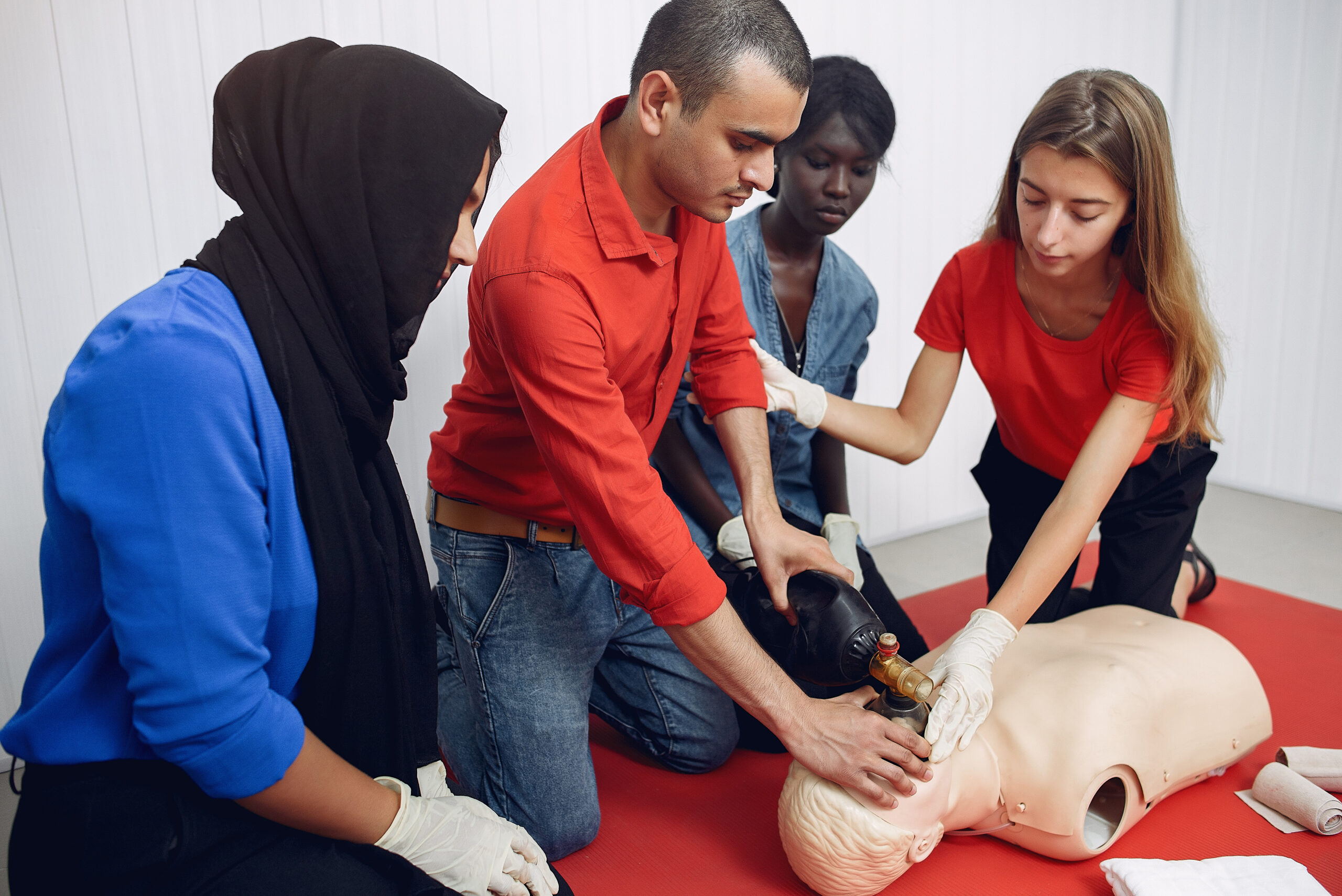
Although this guide is based on easy steps, actual confidence is the power of practice. Therefore, with an advanced first aid course, you will have a practical experience in operating oxygen therapy equipment, management of airways, and coordinating emergency response.
To wrap up, knowing that during a cardiac arrest, every single second truly matters. Furthermore, knowing CPR and how to operate an AED can save a life, and taking an Advanced First Aid Course in Perth equips you with the skills and confidence to respond quickly, making a real difference when it matters most.